Tired of Student Behavior Problems and Disconnected Classrooms? 45 Powerful Ways to Build Strong Relationships With Students
- sproutingmindsss
- 23 hours ago
- 4 min read


Strong student-teacher relationships are one of the most important foundations of a successful classroom. When students feel safe, valued, understood, and respected, they are far more likely to participate, take academic risks, regulate their emotions, and show positive behavior. In fact, many classroom behavior issues begin to decrease naturally when students feel genuinely connected to their teacher.
In today’s classrooms, students need more than academics. They need connection, encouragement, emotional support, and positive relationships. This is where social emotional learning (SEL) becomes incredibly important. SEL helps students develop self-awareness, relationship skills, emotional regulation, empathy, communication, and responsible decision-making — all of which improve classroom behavior and student success.
The good news? Building strong relationships with students does not require expensive programs or hours of extra planning. Small intentional actions can make a huge impact. Simple moments like greeting students at the door, noticing their interests, celebrating their successes, or checking in emotionally can completely transform classroom culture.
If you are wondering how to connect with students, improve classroom relationships, strengthen classroom management, and create a more positive learning environment, these relationship-building strategies can help.

Why Building Relationships With Students Matters
When teachers intentionally build relationships with students, classrooms become:
More respectful
More engaged
More emotionally safe
More cooperative
More motivated
More positive
More supportive
Easier to manage
Students who feel connected to their teacher are more likely to:
Participate in lessons
Follow expectations
Persevere through challenges
Communicate their feelings appropriately
Show empathy toward others
Feel confident academically
Develop stronger SEL skills
Build trust with adults
Connection is not extra. Connection is essential.
Daily Relationship-Building Strategies

1. Greet Students at the Door
Welcome students individually each morning with a smile, fist bump, handshake, or quick conversation.
2. Use Students’ Names Often
Hearing their name helps students feel recognized and valued.
3. Ask Open-Ended Questions
Encourage meaningful conversations with questions that require more than one-word answers.
4. Be Fully Present During Conversations
Make eye contact, listen carefully, and give students your full attention.
5. Use Humor
Laughing together helps build trust and connection.
6. Celebrate Small Wins
Recognize effort, improvement, kindness, and perseverance throughout the day.
7. Spend Time Talking During Transitions
Use hallway walks, cleanup time, and transition moments to casually connect with students.
SEL and Emotional Connection Strategies

8. Use Daily Emotional Check-Ins
Incorporate mood meters, feelings charts, emoji check-ins, or Zones of Regulation activities.
➡️Grab your Zones of Regulation Bundle HERE!!
9. Show Empathy
Validate student feelings and help students feel emotionally understood.
10. Create a Calm Corner
Provide a safe space for emotional regulation and self-management.
11. Encourage Student Reflection
Use reflection prompts to help students process emotions and behaviors.
12. Model SEL Skills Yourself
Demonstrate empathy, calm communication, active listening, and problem-solving.
13. Teach Emotional Vocabulary
Help students identify and express emotions appropriately.
14. Encourage Peer Compliments
Build empathy and positive peer relationships through kindness activities.
15. Use SEL Read-Alouds
Books can teach empathy, friendship, emotional regulation, and problem-solving skills.
Getting to Know Students Personally

16. Learn Students’ Interests
Ask students about hobbies, sports, games, favorite books, music, and activities.
17. Use Student Interest Surveys
Collect information about students’ personalities, interests, strengths, and goals.
18. Learn About Students’ Cultures and Backgrounds
Show respect and appreciation for students’ identities and experiences.
19. Let Students Share About Their Lives
Give students opportunities to talk about their families, hobbies, and experiences.
20. Share Appropriate Stories About Yourself
Students connect with teachers who feel relatable and authentic.
21. Learn How Students Learn Best
Ask students what helps them feel successful in the classroom.
22. Let Students Interview You
Allow students to ask questions to get to know you better.
Classroom Community and Belonging
23. Create Classroom Traditions
Develop routines and traditions students look forward to each week.
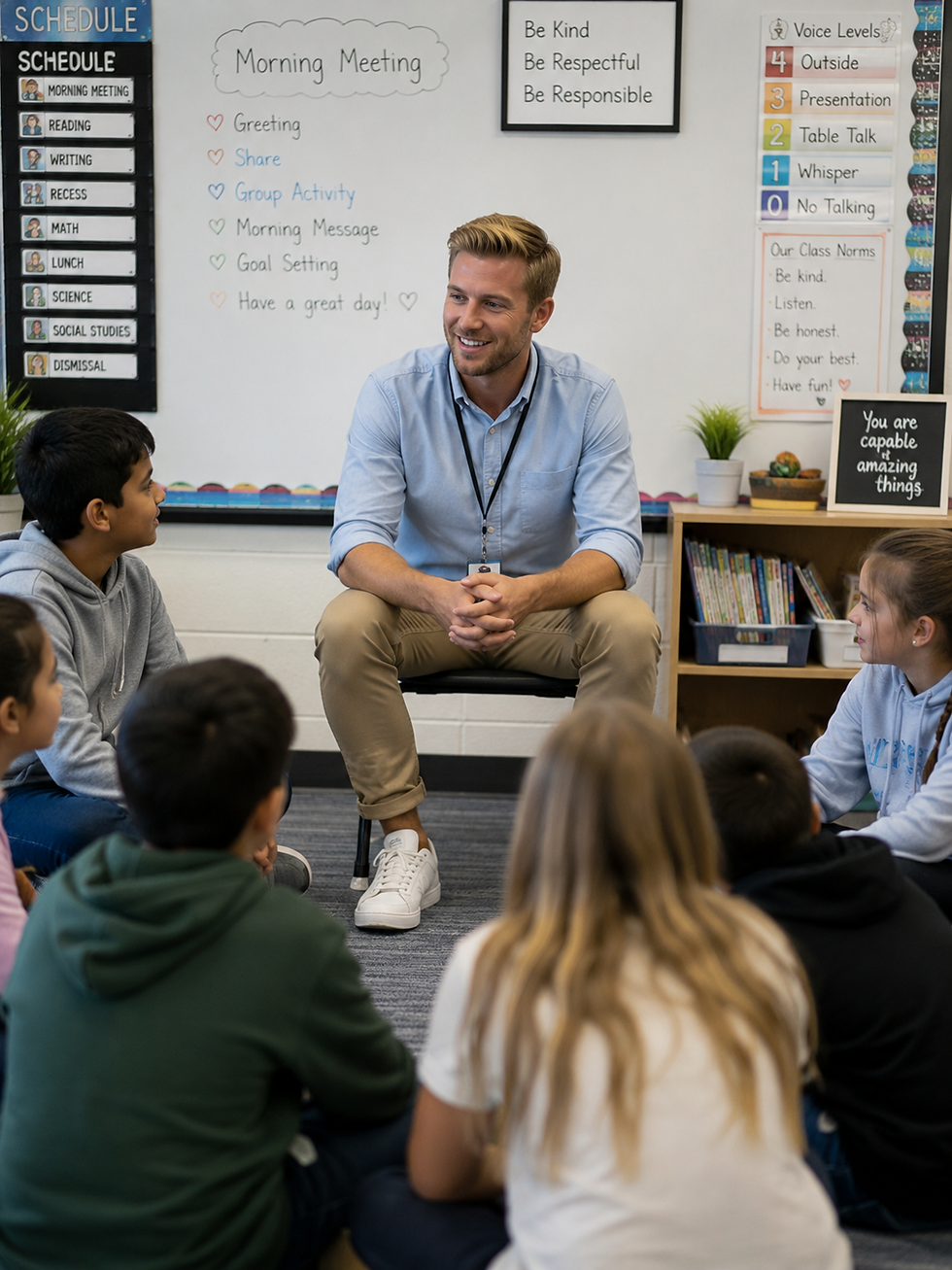
24. Hold Morning Meetings
Morning meetings build communication skills and classroom community.
25. Create Shared Classroom Goals
Work together toward class-wide goals and celebrations.
26. Celebrate Classroom Milestones
Recognize class achievements, growth, and positive behavior.
27. Create Partner and Community Activities
Use cooperative activities to build peer relationships and teamwork.
28. Use Collaborative Learning
Group work encourages communication and relationship-building.
29. Encourage Student Voice
Give students opportunities to share opinions and ideas.
30. Ask for Student Feedback
Allow students to help shape classroom activities and routines.
Positive Recognition and Encouragement

31. Write Positive Notes
Personalized notes help students feel encouraged and appreciated.
32. Celebrate Birthdays
Simple birthday recognition helps students feel important and included.
33. Publicly Celebrate Positive Character
Recognize kindness, responsibility, teamwork, and leadership.
➡️Grab your Student SHOUT OUT Cards HERE!!
34. Celebrate Effort, Not Just Achievement
Focus on growth, persistence, and improvement.
35. Use Positive Reinforcement Frequently
Catch students making good choices and recognize them often.
Student Leadership and Responsibility

36. Give Students Leadership Opportunities
Classroom jobs and leadership roles build confidence and responsibility.
37. Create Community-Focused Classroom Jobs
Assign meaningful tasks that help students contribute to the classroom.
38. Encourage Students to Lead Activities
Allow students to facilitate discussions, games, or classroom routines.
39. Give Students Responsibilities That Matter
Trust students with real responsibilities that build ownership.
Relationship-Building Through Activities

40. Play Games Together
Games help students build communication, teamwork, and social skills.
41. Attend Extra-Curricular Activities
Showing up to games, concerts, and performances builds strong connections.
42. Eat Lunch With Students
Informal lunch conversations help strengthen relationships.
43. Incorporate Team-Building Activities
Use cooperative challenges and activities to strengthen classroom bonds.
Academic Connection Strategies

44. Incorporate Student Interests Into Lessons
Use student interests to make learning more engaging and meaningful.
45. Incorporate Student Choice
Giving students choices increases engagement and ownership in learning.
Why Relationship-Building Matters in the Classroom
Strong student relationships are one of the most effective classroom management and SEL strategies teachers can use. Students who feel connected to their teacher are more likely to:
Participate in learning
Show positive behavior
Develop emotional regulation skills
Communicate appropriately
Build confidence
Feel emotionally safe
Take academic risks
Strengthen social skills
When teachers intentionally build relationships through SEL practices, positive reinforcement, emotional support, and meaningful conversations, classrooms become more connected, respectful, engaged, and successful.
Small moments of connection can create lifelong impact.


Comments