Tired of Constant Behavior and Chaotic Transitions? 24 Powerful CLASSROOM ROUTINES that Build SEL and Improve Behavior
- sproutingmindsss
- 4 hours ago
- 6 min read


For many teachers, the hardest part of the day is not the lesson itself — it is managing everything around the lesson.
Students easily get sidetracked during transitions. Materials are forgotten. Directions need to be repeated over and over. Some students shut down when routines change. Others become anxious, frustrated, impulsive, or emotionally overwhelmed. By the end of the day, teachers often feel exhausted from redirecting behaviors instead of teaching.
This is especially true for students who struggle with:
ADHD
Autism
Anxiety
Trauma
Emotional regulation difficulties
Executive functioning challenges
Behavioral disorders
Learning disabilities
Sensory processing difficulties
Language delays
Social-emotional skill deficits
The good news? One of the most effective classroom management and SEL tools is also one of the simplest...
Consistent Classroom Routines
Routines create predictability, emotional safety, structure, and confidence. They help students know what to expect, what to do, and how to succeed throughout the day.
When students know the routine, their brains can spend less energy worrying about what comes next and more energy focusing on learning, relationships, and self-regulation.
For many students — especially those with emotional or behavioral needs — routines are not just “helpful.” They are essential.
Why Classroom Routines Matter So Much for SEL
Social-emotional learning is not only taught through lessons. It is taught through the structure of the classroom itself.
Strong routines help students build:
Self-control
Responsibility
Independence
Emotional regulation
Problem-solving skills
Cooperation
Flexibility
Confidence
Communication skills
Time-management skills
Routines also reduce:
Anxiety
Defiance
Power struggles
Emotional outbursts
Transition chaos
Classroom interruptions
Off-task behavior
Student frustration
Students thrive when they feel emotionally safe. Predictable routines help create that safety.
Why Routines Are Especially Important for Certain Student Populations
Students with ADHD
Students with ADHD often struggle with:
Impulse control
Organization
Remembering directions
Transitioning between tasks
Managing materials
Time awareness
Consistent routines reduce mental overload and help students know exactly what to expect.
Instead of constantly processing new directions, students can rely on familiar patterns.
Students with Anxiety
Uncertainty can trigger stress and emotional overwhelm.
Students with anxiety often feel calmer when:
The day is predictable
Expectations are clear
Transitions are structured
Visual schedules are available
Procedures stay consistent
Predictable routines help reduce fear of the unknown.
Students with Autism
Many autistic students rely heavily on routine and predictability to feel regulated and secure.
Sudden changes can create:
Emotional distress
Sensory overwhelm
Shutdowns
Meltdowns
Consistent classroom procedures provide structure and emotional stability.
Students Affected by Trauma
Students who have experienced trauma often feel unsafe in unpredictable environments.
Clear routines help students feel:
Secure
Grounded
Calm
Emotionally prepared
Routines build trust because students begin to understand what to expect from their environment.
The Difference Between Rules and Routines
Many classrooms focus heavily on rules.
But routines are often more powerful.
Rules Tell Students What NOT to Do
Examples:
Don’t talk
Don’t run
Don’t interrupt
Routines Teach Students WHAT TO DO
Examples:
How to enter the classroom
How to ask for help
What to do when finished
How to transition quietly
How to work with a partner
How to solve small conflicts
Students need explicit instruction in routines just like they need explicit instruction in academics.
Daily Classroom Routine Ideas Organized by Category
Morning Routines
Morning Greeting Routine
Greeting students at the door builds connection, belonging, and emotional safety.

Ideas include:
High fives
Handshakes
Fist bumps
Wave greetings
Choice greetings
Morning check-ins
This simple routine helps students feel seen and welcomed.
Morning Soft Start Activities
Instead of chaotic mornings, provide calm activities students can begin independently.
Ideas include:

Journaling
Coloring
Morning bins
Puzzles
STEM tubs
Quiet reading
Morning math review
Partner discussion cards
Soft starts reduce stress and help students transition into learning mode.
Daily Visual Schedule Routine

Visual schedules help students understand the flow of the day.
Especially helpful for:
Autism
ADHD
Anxiety
Younger students
English language learners
Visual schedules reduce uncertainty and emotional overwhelm.
Morning Emotional Check-In Routine

Students identify how they are feeling before learning begins.
Ideas include:
Mood meters
Emoji check-ins
Feelings charts
Color cards
Digital check-ins
This routine helps students build emotional awareness and self-regulation skills.
Organization Routines

Supply Organization Routine
Teach students:
Where materials belong
How to return supplies
How to sharpen pencils
What to do with unfinished work
How to access classroom tools independently
Clear systems reduce interruptions and dependence on the teacher.
Desk and Workspace Cleanup Routine

Build daily habits of organization and responsibility.
Ideas include:
End-of-day desk checks
Table team cleanup jobs
Supply bin inspections
Classroom helper rotations
Students learn accountability and care for shared spaces.
Homework and Folder Routine

Students often struggle simply because systems are unclear.
Teach routines for:
Turning in homework
Packing folders
Recording assignments
Bringing home materials
Parent communication folders
Consistency improves independence.
Transition Routines
Transitions are often when behaviors escalate.
Strong transition routines reduce chaos dramatically.
Attention Signal Routine

Use a consistent signal every single time.
Examples:
Call and response
Chime
Clapping pattern
Countdown
Hand signal
Lights off/on
Students should practice responding quickly and calmly.
Lining Up Routine

Explicitly teach:
Where to stand
Voice level
Body control
Walking expectations
What to do while waiting
Never assume students automatically know how to line up appropriately.
Movement Break Routine

Many students need movement to regulate their bodies and attention.
Ideas include:
Stretching
Brain breaks
GoNoodle
Walk-and-talk activities
Chair exercises
Dance breaks
Movement routines improve focus and reduce disruptive behavior.
Bathroom Routine

Unclear bathroom procedures often create constant interruptions.
Teach students:
How to ask appropriately
When to go
Sign-out procedures
Emergency vs non-emergency situations
Predictable systems reduce classroom disruptions.
Academic Routines

Small Group Rotation Routine
Students should know:
Where to go
What materials to bring
What voice level to use
What to do when finished
Clear expectations improve independence during centers and rotations.
Independent Work Routine

Teach students exactly what independent work looks like.
Include:
Noise expectations
What to do if stuck
How to ask for help
What to do when finished
Students need these behaviors modeled and practiced repeatedly.
Partner Work Routine

Teach students:
How to take turns
How to disagree respectfully
How to share materials
How to stay on topic
What productive conversation sounds like
SEL skills grow naturally through structured collaboration routines.
Turn-and-Talk Routine

This routine builds communication and participation.
Teach students:
Who speaks first
How long each person talks
Active listening skills
Eye contact
Appropriate voice levels
Structured discussion routines increase engagement and reduce off-task behavior.
Emotional Regulation Routines
Calm Corner Routine

A calm corner should be proactive — not a punishment.
Teach students:
When to use it
How long to stay
What tools are available
How to return calmly
Include tools like:
Fidgets
Breathing cards
Visual timers
Coloring sheets
Reflection pages
Sensory tools
Conflict Resolution Routine

Students need explicit steps for solving problems respectfully.
Possible routine:
Stop and breathe
Explain the problem calmly
Listen to the other person
Think of solutions
Agree on a plan
This builds emotional intelligence and communication skills.
Self-Regulation Reset Routine
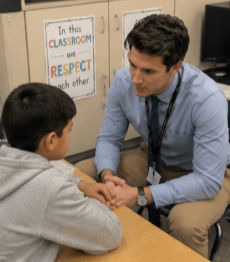
Some students need a structured reset process when overwhelmed.
Examples:
Drink water
Deep breaths
Stretching
Count to 10
Use calming visuals
Talk to trusted adult
Journal feelings
Practicing calm-down routines before problems happen is critical.
Classroom Community Routines
Daily Classroom Meetings

Morning meetings help students feel connected and emotionally supported.
Include:
Greetings
Sharing
Team-building games
SEL discussions
Goal setting
Compliments
These routines strengthen classroom relationships.
Compliment and Encouragement Routines

Students thrive in positive environments.
Ideas include:
Shout-out boards
Kindness chains
Positive notes
Peer compliments
Celebration circles
These routines build empathy and belonging.
Classroom Jobs Routine

Classroom jobs build responsibility and ownership.
Examples:
Line leader
Technology helper
Librarian
Supply manager
Plant caretaker
Cleanup captain
Students gain confidence through meaningful responsibility.
End-of-Day Routines
Reflection Routine

Reflection helps students process behavior, emotions, and learning.
Ideas include:
Exit tickets
SEL reflection prompts
Gratitude journals
Goal reflections
Mood check-outs
Reflection strengthens self-awareness.
Cleanup Routine

Teach students exactly how to clean and reset the classroom.
Include:
Material collection
Desk organization
Trash cleanup
Chair stacking
Technology storage
Predictable cleanup routines reduce end-of-day chaos.
Dismissal Routine

Dismissal can quickly become overwhelming without structure.
Teach students:
Packing procedures
Waiting expectations
Transportation routines
Quiet dismissal expectations
Consistency helps students end the day calmly and successfully.
How to Successfully Teach Classroom Routines
1. Model Everything
Never assume students already know how to do routines.
Demonstrate exactly what the routine looks like.
2. Practice Repeatedly
Routines require repetition.
Practice them again and again — especially at the beginning of the year.
3. Use Visual Supports
Visual reminders help students remember expectations independently.
Examples include:
Posters
Icons
Step-by-step charts
Picture schedules

4. Reinforce Positive Behavior
Notice students who follow routines appropriately.
Positive reinforcement increases consistency.
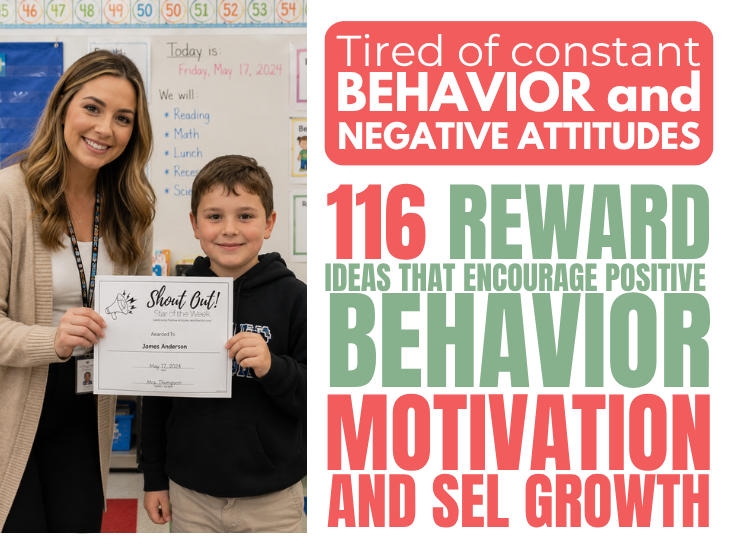
Grab your Shout Out Cards HERE!! ➡️
5. Stay Consistent
Consistency is what makes routines effective.
Changing expectations constantly creates confusion.
Final Thoughts on SEL and Classroom Routines
When teachers think about SEL, they often picture lessons, discussions, or activities.
But some of the most powerful SEL work happens through the everyday routines of the classroom.
Routines teach students how to:
Regulate emotions
Manage responsibilities
Solve problems
Build independence
Work with others
Feel emotionally safe
For students with ADHD, anxiety, autism, trauma backgrounds, behavioral challenges, or executive functioning difficulties, routines are often the foundation that allows learning to happen at all.
A calm classroom rarely happens by accident.
It is built through consistent, predictable, supportive routines that help every student feel successful.


Comments